
Track inventory from source to store
Retail supply chains move constantly. Products leave factories, pass through distribution centers, arrive in stores, move into stockrooms, and eventually reach the sales floor or the customer. Every movement matters.
With iD Cloud, retailers can use item-level data to create a more reliable view of inventory as it moves through the supply chain. By connecting read points, item-level data, and operational workflows, retailers gain the visibility needed to improve inbound accuracy, reduce errors, and make store inventory more trustworthy from the moment products arrive.
Faster item scanning
25x faster
Product traceability
1 History
Shipment verification
100%
Retail challenges
Many retailers still rely on fragmented data across suppliers, warehouses, transport, stores, and enterprise systems. When inventory visibility breaks down between these steps, teams lose confidence in what has shipped, what has arrived, what is missing, and what is ready to sell.
See the full story of each item
iD Cloud
Capture item-level data at key supply chain moments, including source tagging, distribution center processes, shipments, inbound receiving, store transfers, and returns, with iD Cloud.
That visibility helps teams validate shipments faster, identify discrepancies earlier, and keep ERP and store inventory records more aligned with reality. It also supports better downstream workflows. When stores receive more accurate data, they can replenish faster, fulfill with more confidence, and reduce time spent searching for products that were never actually received.
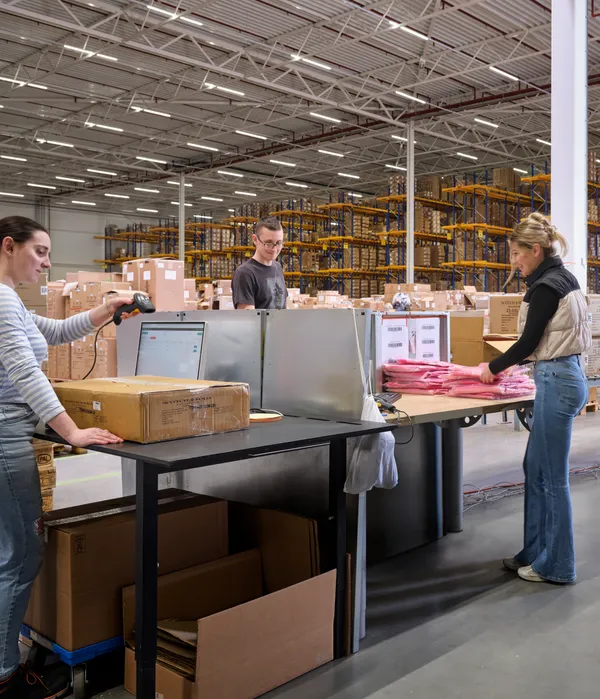

Turn supply chain movement into inventory confidence
Retailers can only act with confidence when supply chain data reflects what is really happening. If products are delayed, missing, incorrectly shipped, or not received properly, the impact moves quickly into stores and customer-facing channels.
Item-level visibility helps retailers create a more accurate view of inventory movement from source to store. Teams can verify shipments, speed up receiving, identify discrepancies earlier, and keep downstream systems working from more reliable data.
The result is a stronger inventory foundation across the retail chain: fewer hidden errors, faster product flow, better store stock accuracy, and more confidence in replenishment, fulfillment, and availability.
Improve shipment accuracy With iD Cloud, retailers can validate inbound and outbound movements at item level, helping teams identify shortages, overages, and incorrect products earlier in the process.
Item-level verification
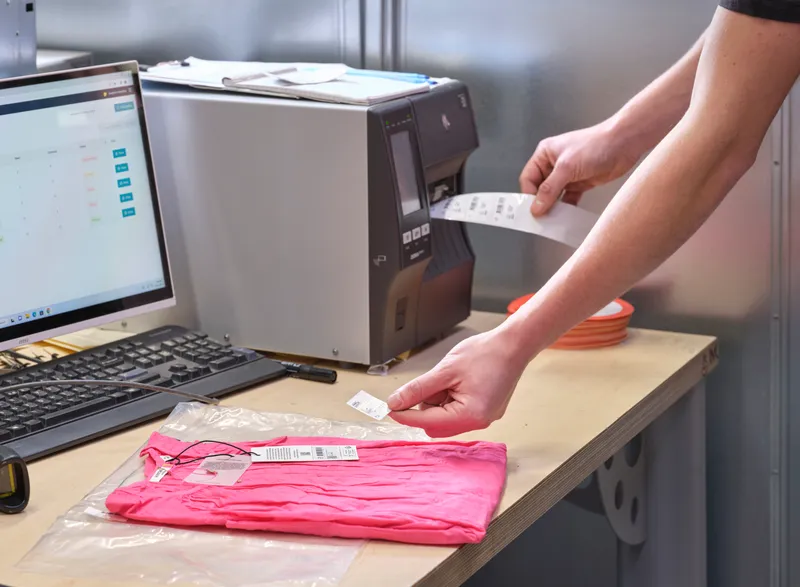
Speed up receiving Receiving with iD Cloud helps teams process products faster than item-by-item manual checks, reducing operational effort and helping inventory move more quickly into stores and downstream workflows.
Less manual checking
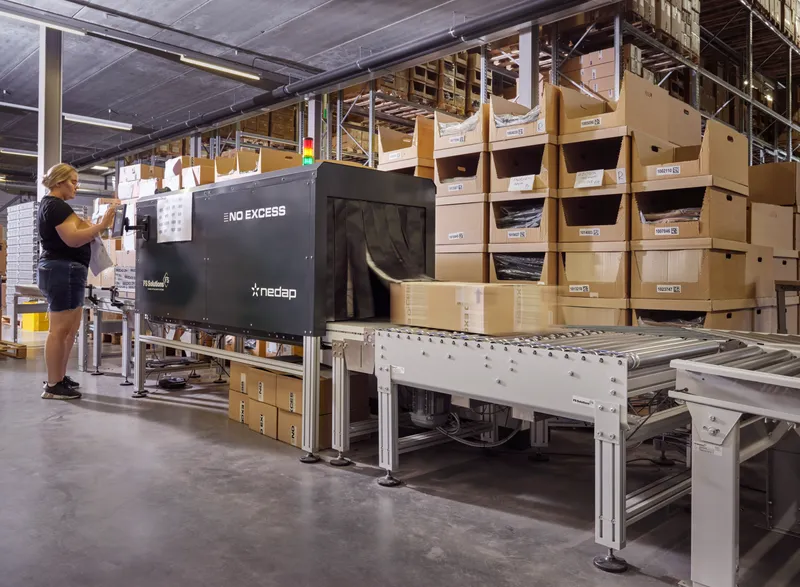
Strengthen inventory reliability By connecting RFID data across factories, distribution centers, and stores, iD Cloud helps retailers build a more reliable inventory foundation for replenishment, fulfillment, and store availability.
One trusted view
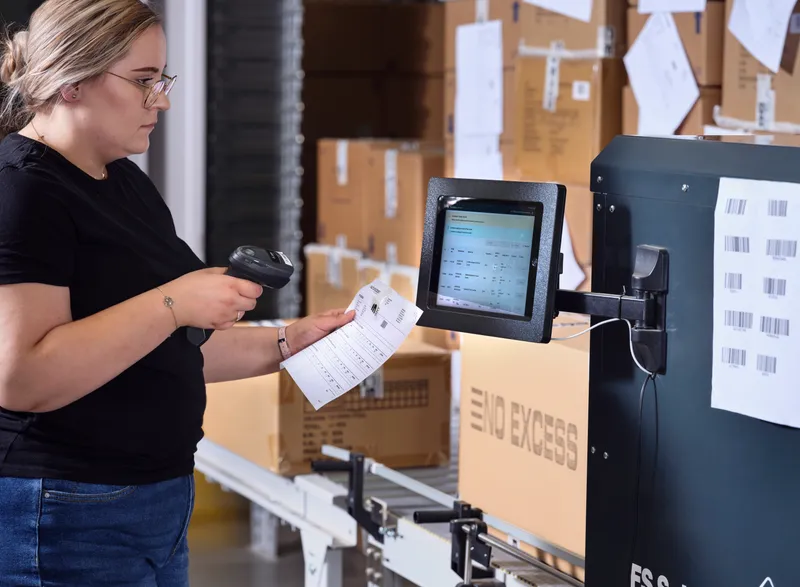
Make every inventory movement easier to trust
Supply chain visibility should not stop at shipment status. Retailers need to know which items moved, where they are, and whether the next team or system can act on that data with confidence.
Connect item-level RFID data across source, distribution, and store workflows. Create a trusted inventory foundation today and build toward the broader Inventory Engine vision: connected intelligence, actionable insights, and more confident retail operations across the chain.