
Turn stock accuracy into sales
Most out-of-stocks aren't a supply problem. The product is in the building, just not on the floor. With iD Cloud, retailers can create a more accurate item-level inventory foundation. From there, they can improve replenishment from the distribution center to the store and refill from the stockroom to the sales floor.
On Shelf Availability
98%
Sales Uplift
6%
Stock Accuracy
98%+
Retail Challenges
Retailers do not lose sales only because products are out of stock. They also lose sales when products are in the store but not on the sales floor, are not visible to store teams, or are not trusted by the systems that decide what to replenish.
Real value starts after the count
iD Cloud
Accurate, item-level inventory data fixes availability at two critical points. From the distribution center to the store, ERP-driven replenishment finally works as intended because it's built on stock data you can trust. From the back room to the sales floor, store teams know exactly which items to move, where they are, and what's missing on the floor. No guesswork, no walkarounds, no missed sales on products you actually have in the building.
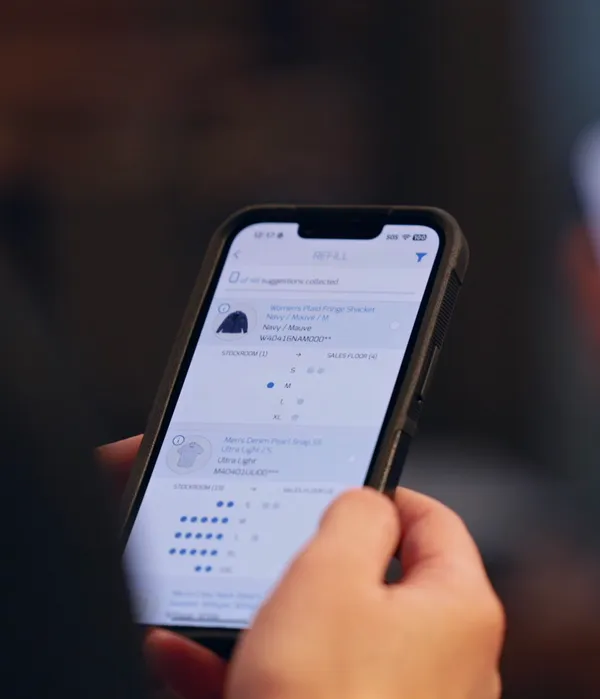
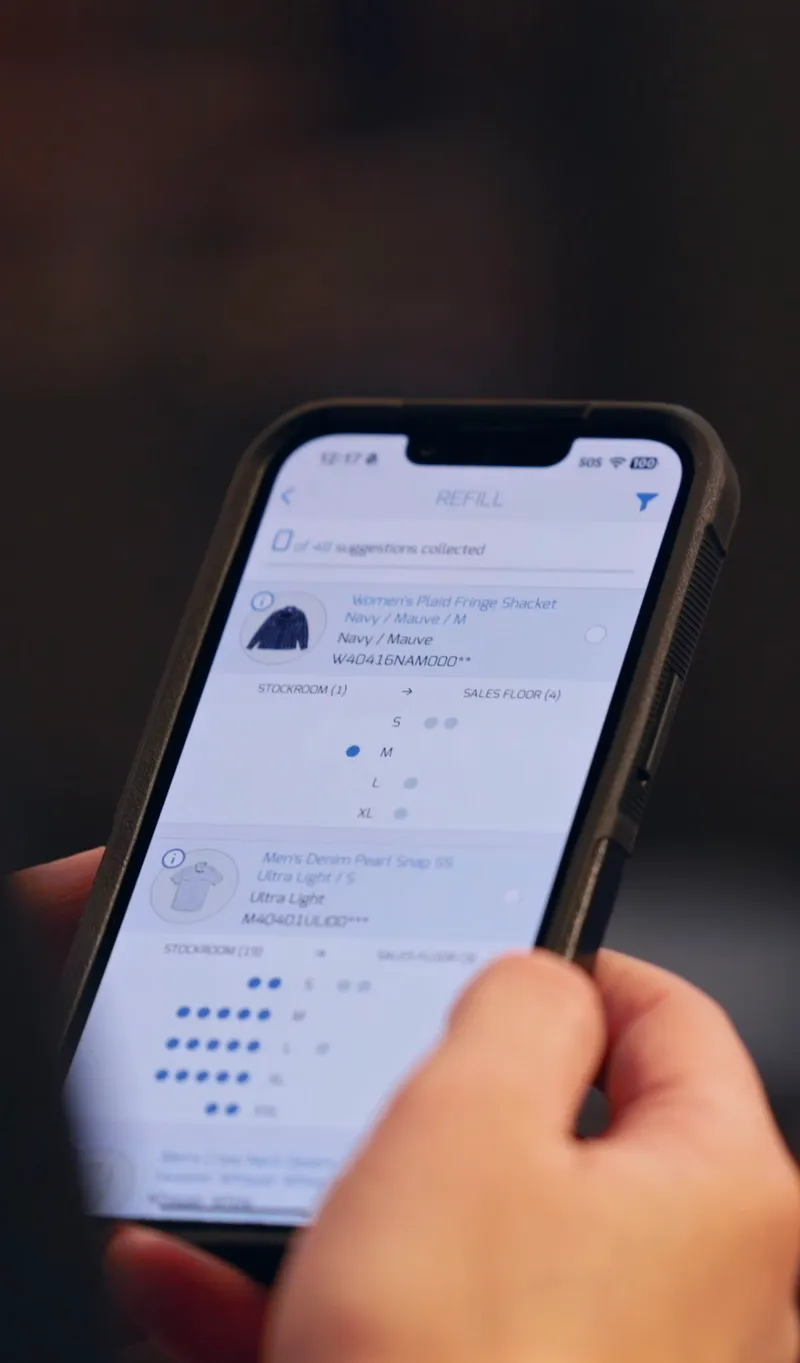
Make more of your existing stock available to sell
Once retailers know what is actually in store, they can stop treating inventory accuracy as a reporting exercise and start using it to increase sales floor availability.
With iD Cloud, counting helps create a reliable stock foundation. Virtual shielding provides sublocation insight, showing what is on the sales floor and what remains in the stockroom. Smart refill suggestions then help store teams focus on the products that matter most, instead of working through long, unprioritized lists.
This improves both commercial performance and store efficiency. Retailers can replenish stores with better data, refill sales floors faster, reduce time spent on manual checks, and make more relevant sizes and styles available for customers. In our experience, apparel retailers using this methodology saw on-shelf availability for three core sizes improve from 88% to over 98% within weeks, while store employees spent 55% less time on refills using iD Cloud.
Count accurately with RFID Regular RFID counting helps retailers understand what is actually in store. By comparing RFID counts with ERP stock files, teams can correct differences, investigate mismatches, and create a more reliable inventory foundation for replenishment, fulfilment, and store operations.
Inventory accuracy

Improve replenishment from DC to store Better store inventory data helps ERP systems make better replenishment decisions. When the system knows what is truly available in each store, it can support more accurate allocation and send the right products to the right locations at the right time.
Store replenishment

Identify what belongs on the sales floor Not every item in the stockroom should move to the shop floor. Space, exclusivity, incomplete size ranges, campaign timing, and collection status all affect what should be displayed. iD Cloud helps retailers move beyond simple “missing from sales floor” logic and work from smarter refill priorities.
Smart refill priorities
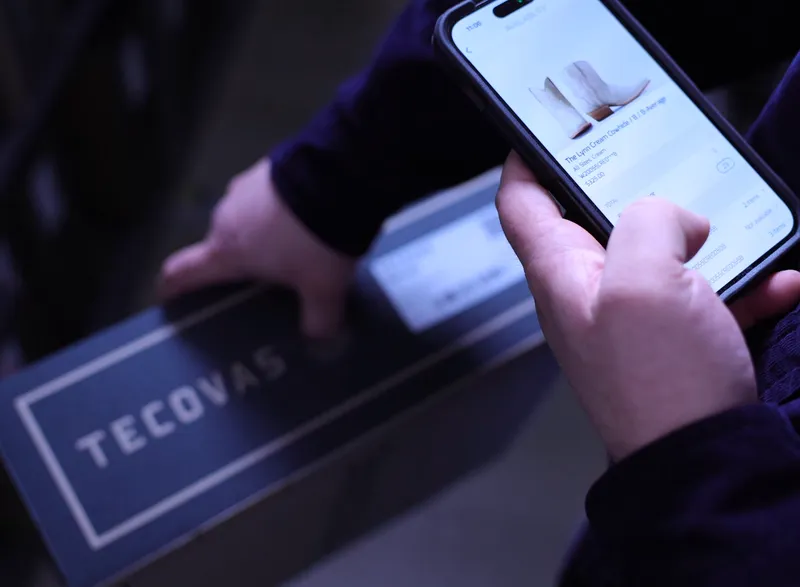
Use virtual shielding for sublocation insight Retailers need to know whether items are on the sales floor or in the stockroom. Virtual shielding uses intelligent algorithms to determine sublocation based on RFID signal behaviour, eliminating the need for expensive physical shielding and supporting faster, more scalable RFID rollouts.
Sublocation visibility
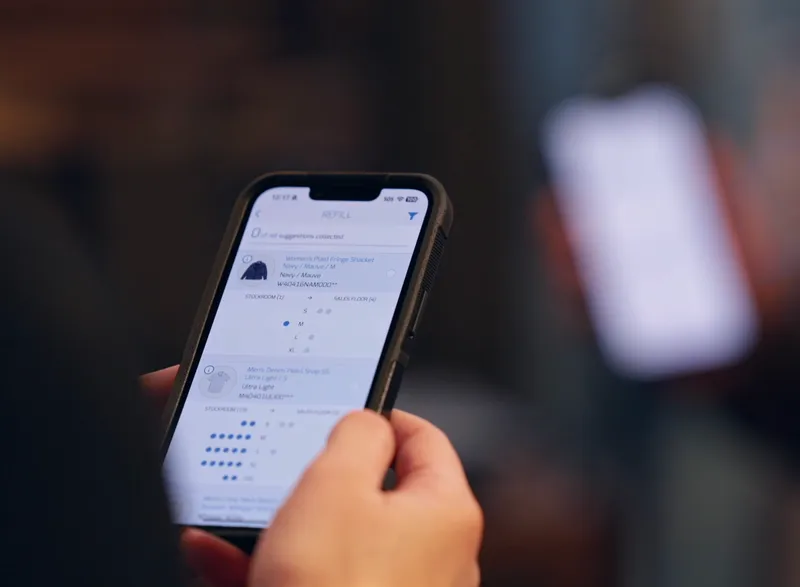
Eliminate physical shielding
Physical shielding has long been the standard for accurate RFID inventory allocation—but it comes at a cost. Discover how Virtual Shielding eliminates the need for costly store modifications while delivering precise visibility into whether products are on the sales floor or in the stockroom.



Move from inventory visibility to availability
Products cannot sell if customers cannot find them. With iD Cloud, retailers can turn counting into better replenishment, smarter refilling, and higher on-shelf availability.
Create a trusted item-level inventory foundation today and build toward the broader Inventory Engine vision: connected intelligence, actionable insights, and more confident retail operations across every store.