A Wakeup Call for Finance Leaders: The Impact of Inventory Blind Spots on Retail Margins
October 2
What if you could achieve precise item location visibility without adding costly physical barriers to your store? As retailers continue to invest in RFID to improve inventory accuracy and operational efficiency, many are discovering that traditional approaches come with hidden costs and limitations. Fortunately, advances in software are making it possible to rethink how RFID deployments work.
One challenge in RFID deployments is accurately determining whether an item is on the sales floor or in the stockroom. Traditionally, retailers have used physical shielding to block RFID signals between these areas. However, shielding adds costs, requires store modifications, and can be difficult to adapt as store layouts evolve. Nedap's Virtual Shielding eliminates the need for physical barriers, using intelligent software to deliver accurate item location visibility with greater flexibility and lower costs.
RFID is a proven technology to raise the stock accuracy and quickly get insights on the available items in a retail store…but RFID also has its challenges when it comes to determining the correct (sub-)location of an item within the store. That is because RFID can read through walls and floors – especially those thin walls that are often used in retail stores.
Metal layers can physically block the RFID signals. For this, typically aluminum foil or metallic paint is used in retail stores, resulting in material and labor of $3,000-5,000 per store. Care should be taken to apply them: even a small seam can cause a tag being read through the wall. Even if applied with the highest precision, retailers still often experience a leakage of 15 – 20% resulting in unreliable sub-location data.
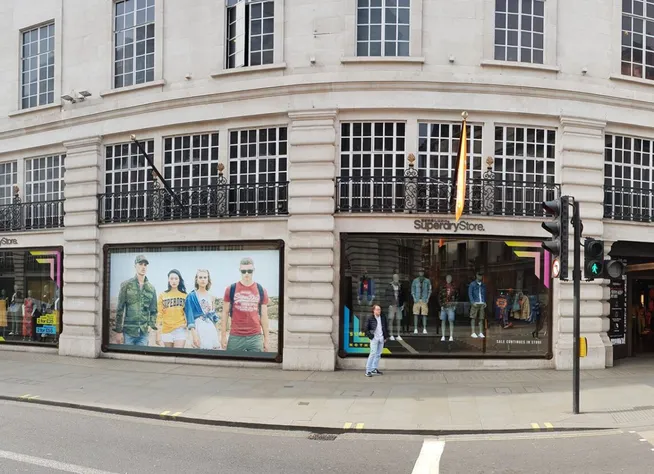
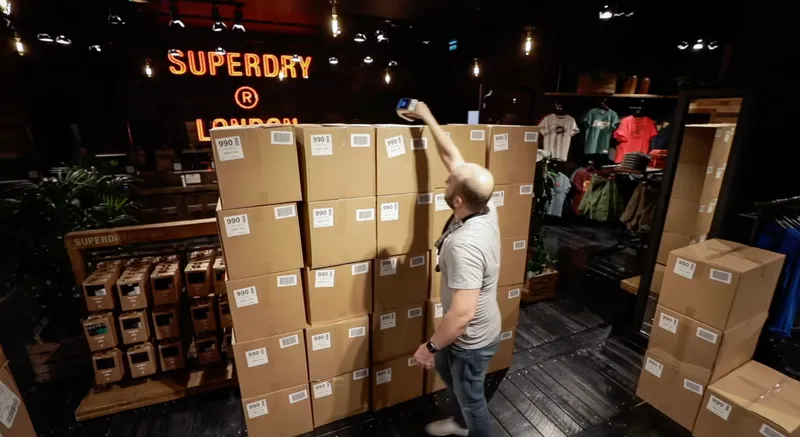
“We couldn’t increase the read power of the handheld any further, as this would lead to unwanted detection of items beyond the walls. On thirty percent read power it took us two and a half hours to count the entire store, while the same count using Nedap’s Virtual Shielding takes twenty-five minutes, without the need to physically shield our store.”
James Eastwood
Implementation Manager at Superdry
That means that retailers need to apply shielding to prevent ‘leakage’ and to ensure reliable insights regarding what is available on the sales floor and which items are in the stock room. As a solution, Nedap has developed ‘Virtual Shielding’ technology, which significantly lowers the RFID deployment & investment costs and ensures accurate sub-location information without the need to apply ‘Physical Shielding’ like aluminum foil and shielding paint in store.
The smart allocation algorithm in the iD Cloud software prevents leakage and reliably determines the location of an item. Virtual shielding eliminates the high costs for physical shielding and makes it possible to easily provide actionable data to the store staff. Sub-location information is vital to be able to do refill effectively.
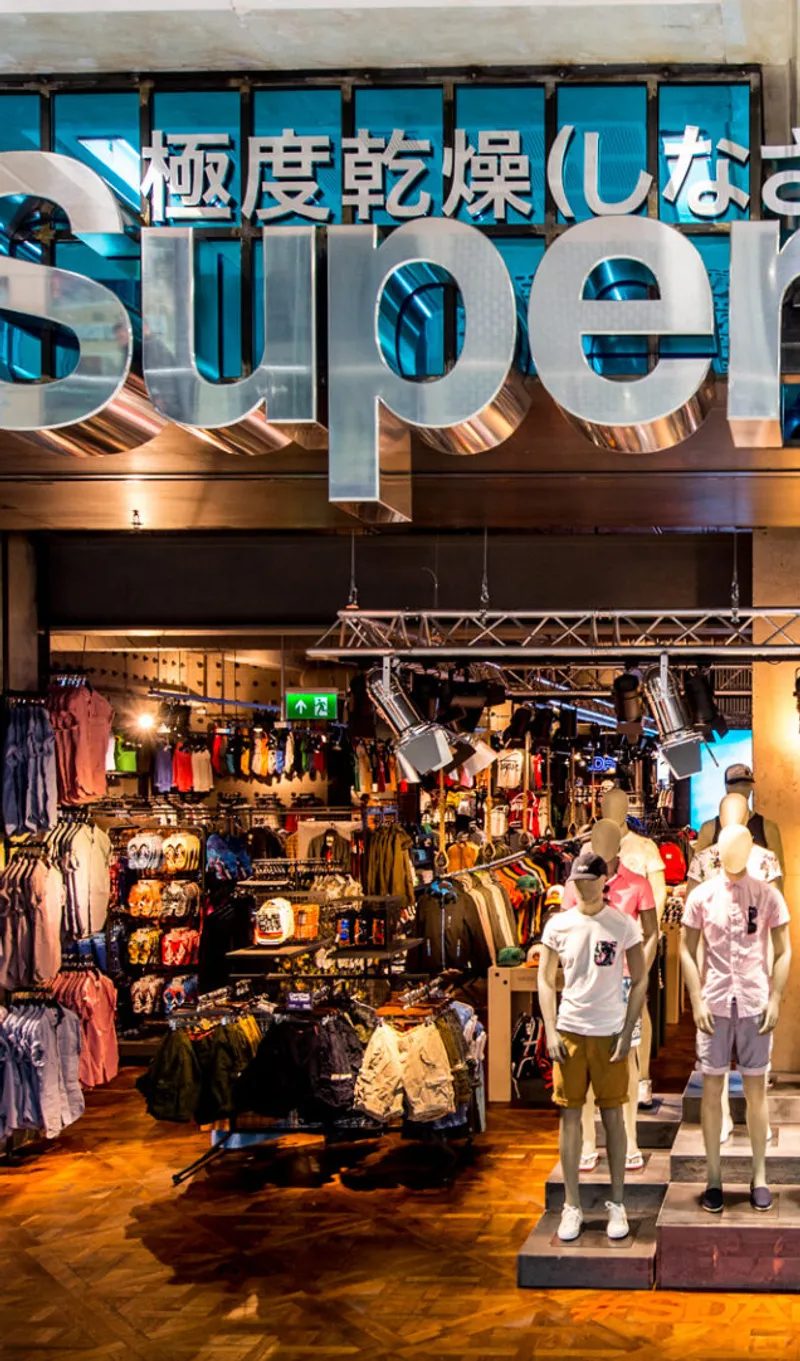
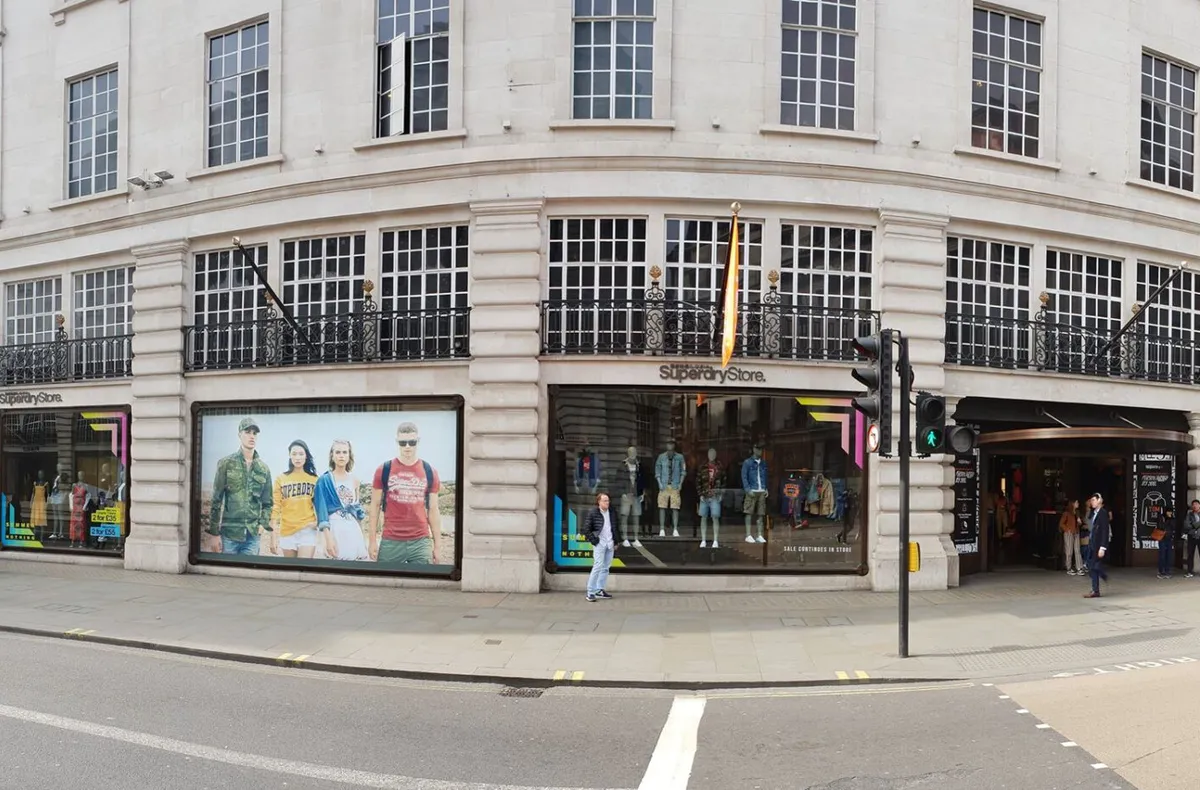
Before deploying Nedap’s iD Cloud solution, Superdry was facing a significant financial investment in physical shielding of stock rooms. This was necessary to complete the refill of products from the stock room to the sales floor. During the pilot phase of the RFID project, physical shielding in the form of metallic paint was used. This still led to significant bleed, until Nedap's Virtual Shielding helped them achieve their efficiency goals.
Availability
Virtual Shielding is only part of how iD Cloud enables enhanced product availability for retailers. Check out the full overview here
October 2
September 30