


A Wakeup Call for Finance Leaders: The Impact of Inventory Blind Spots on Retail Margins
October 2


 Ilse Protsman
With the adoption of hyperlocal fulfillment services, such as ship-from-store, and a distribution approach of utilizing stores as so-called “mini-DCs” organizational silos are becoming connected. Because of this, digitizing store inventories with the objective to increase online sellable stock (digital availability) is the new driver for successful shopping experiences and happy customers.
In recent years, there has been an emergence of new commerce channels, concepts, and services. Thanks to broadly available technologies, such as hyper connectivity, cloud computing, and mobile applications, retailers can create seamless shopping experiences across all their channels. This phenomenon is known as omnichannel.
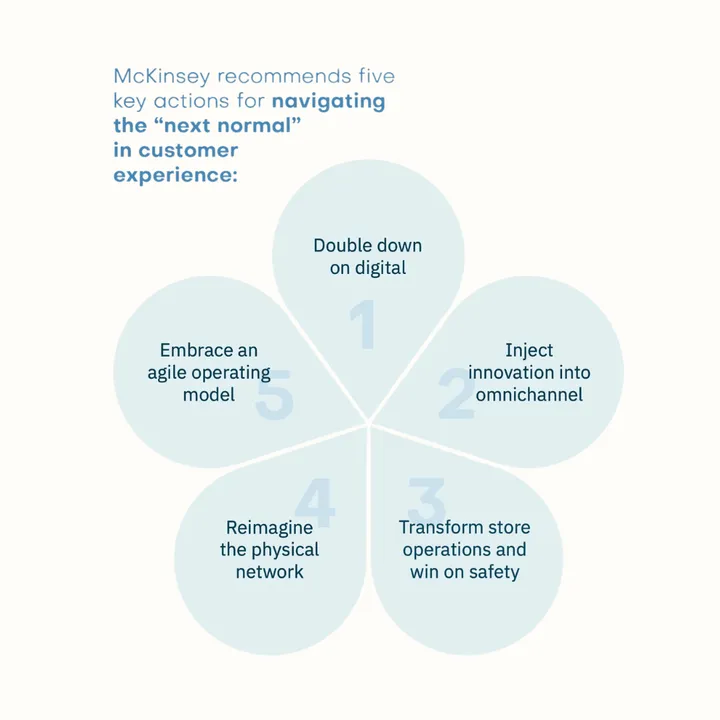
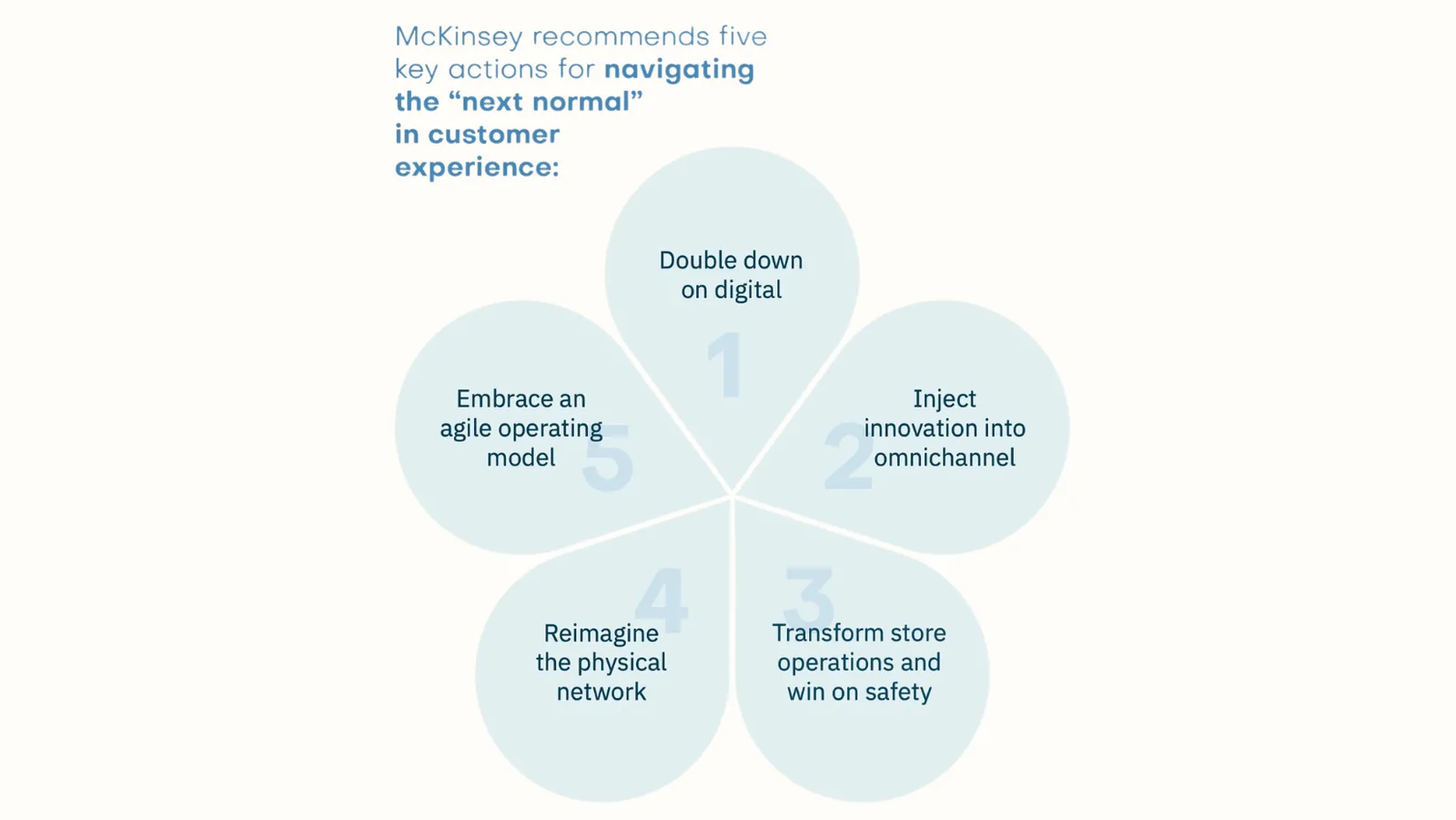
According to McKinsey & Company, omnichannel retailing has accelerated after the COVID19 pandemic, and retailers are adapting to the “next normal” in retail. Based on recent studies (Holly Briedis et al., McKinsey, 2020), successful omnichannel initiatives are designed around the above mentioned five guiding principles.
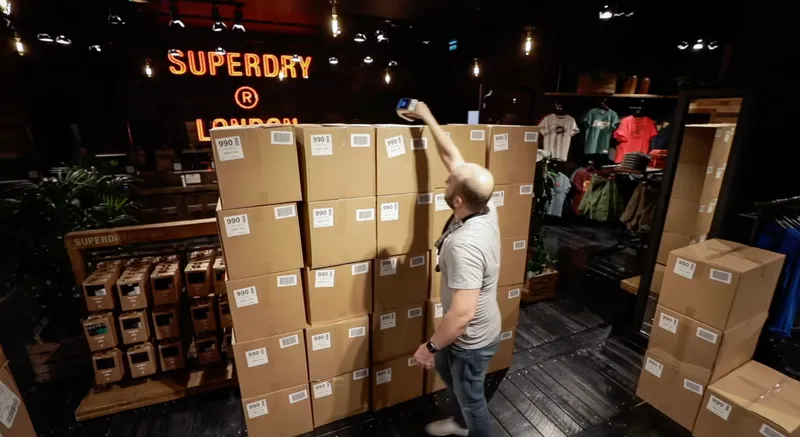
In a world where shoppers are reducing their visits to physical stores, e-commerce and automation are rising. Future-oriented retailers start to transform their stores to ‘mini-DCs,’ small and local fulfillment hubs that make sure orders are fulfilled wherever they are coming from. This model allows retailers to continue to make sales, while consumers can benefit from reduced shipping times.
“Worldwide, retailers usually only have one chance to convince consumers. After all, 71 percent of customers never return to a store or website after a bad experience. In contrast, the integration of digital services can help increase consumer loyalty.”
Adyen Retail Report
In parallel, consumer sentiment and shopping behavior continue to reflect the uncertainty caused by the impact of COVID-19 (Charm et al., 2020). As loyalty shifts and consumers focus more on value and essentials, product availability becomes a key factor in maintaining customer loyalty. However, ensuring merchandise availability is particularly challenging for clothing retailers due to seasonal influences, color-size complexities, and inaccuracies in stock files, leading to what is known as the “phygital” dilemma.
In the attempt to unify shopping experiences, retailers face a dilemma: while they need to provide customers with a wide choice of available products, they also know that their stock files are often outdated and prone to errors. As a result, retailers compensate for these inaccuracies by using so-called “safety thresholds,” which limit the range of available products by excluding items that are physically present in the store but digitally marked as unavailable.
There are many reasons to apply so-called safety thresholds before activating store inventory for online channels. Essentially, these thresholds are intended to protect inventory, or more specifically, the “sellability” of products. In itself, this is not necessarily a bad practice. For example, retailers may want to guarantee sufficient in-store availability of a newly launched product in order to avoid disappointing offline shoppers. However, in practice, thresholds are also used to compensate for high stock inaccuracies, making them more of a temporary remedy than a solution to the underlying problem.

Especially towards the end of a sales period for a particular product, it becomes essential for retailers to remain flexible with product availability across different channels. In these situations, retailers aim to sell products through the channel that offers the highest margin. By locking products into store inventory through strict safety thresholds, retailers risk missing opportunities to sell those same products to online customers.
Digital availability describes the product range that is available for sale in digital channels. Digital channels include web shops, shopping apps, or online marketplaces. To go into more detail, the characteristics of digital availability are different for the various identified omnichannel-concepts. Therefore, one can distinguish the following variations of digital availability:
Local digital availability (LDA)
→ Considers one specific store
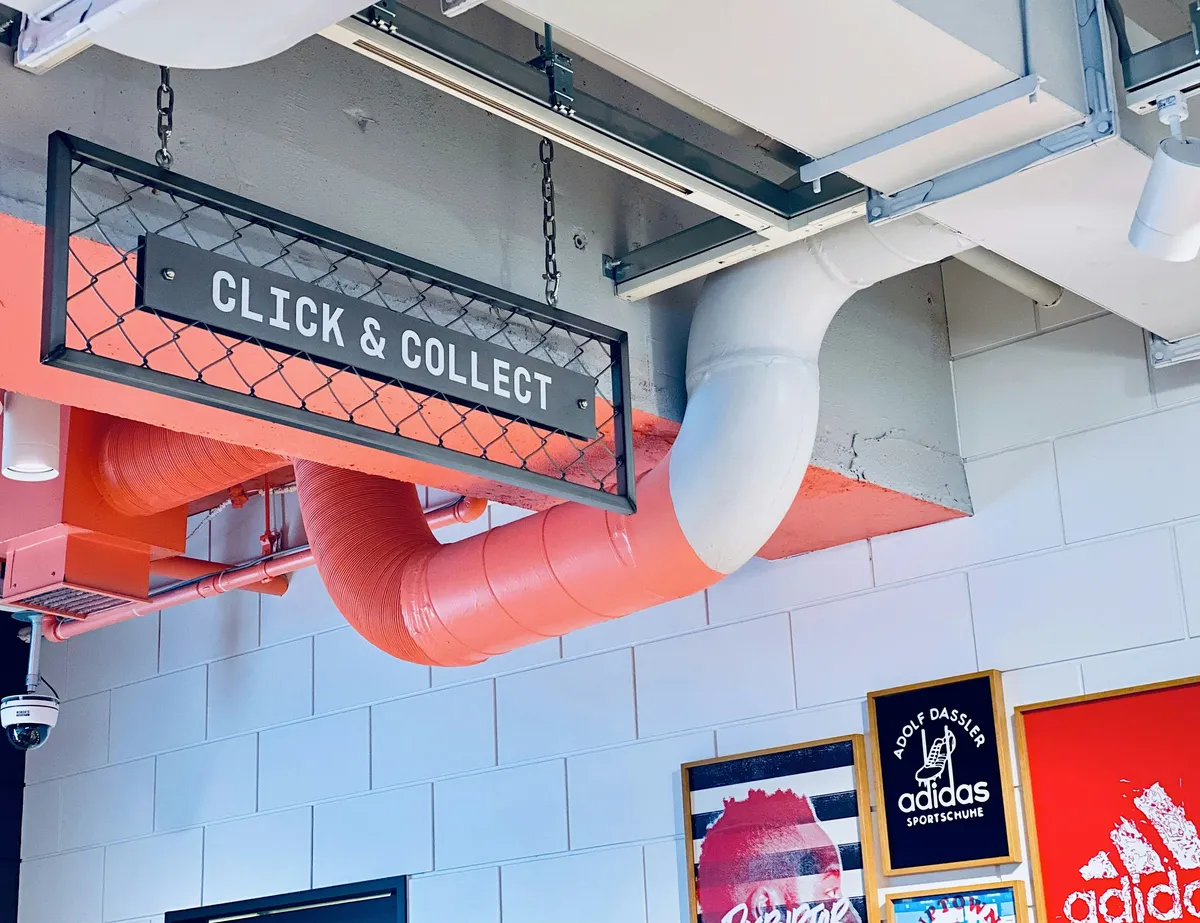
For omnichannel services like Click & Collect (Buy Online, Pick-up in Store / BOPIS) or Last Mile Delivery (LMD), it is crucial to know in which specific store items are available.
In the example of LMD, a carrier will go to the nearest store to pick up and deliver the item, while for BOPIS the consumer will go to a specific store to collect the ordered or reserved item. Therefore, a theoretical maximum Digital Availability exists for these concepts for all items available in one specific store.
If retailers are operating with a safety threshold of 1 for this concept, the digital availability will exclude all products (on color/size level) with only 1 item in stock. The local digital availability for this store is thus the amount of SKU’s available relative to the total amount of items in the store.
Total digital availability (TDA)
→ Considers the entire store and DC network
Other omni-concepts, like Ship-from-Store, consider the inventory from the entire store network. If an item is not available in the fulfillment center (DC), or when it is economically beneficial to fulfill the order from a store due to its location, the order will be fulfilled from a store where the product is available.

In this scenario, knowing whether the item is available in a specific store is less relevant than knowing if the item is available at all. Therefore, the total digital availability (TDA) is the availability of an item across the entire store network. The theoretical maximum TDA is, therefore, the total amount of SKU’s that is available in the fulfillment centers and in the stores. In this concept, safety thresholds are also introduced to ensure that an item is available in the store and that the order can be fulfilled. By reducing the safety threshold, the TDA can be enhanced.
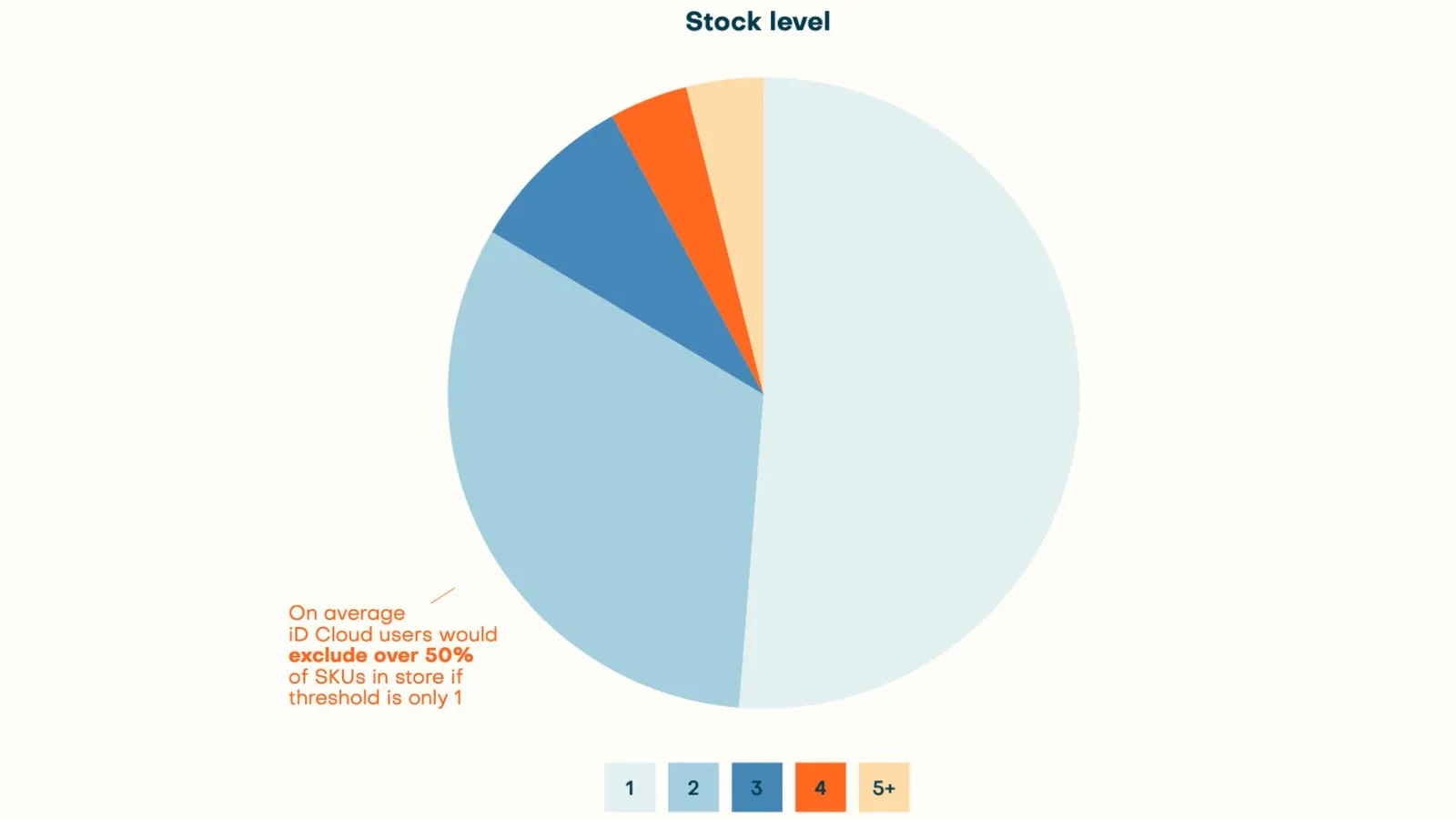
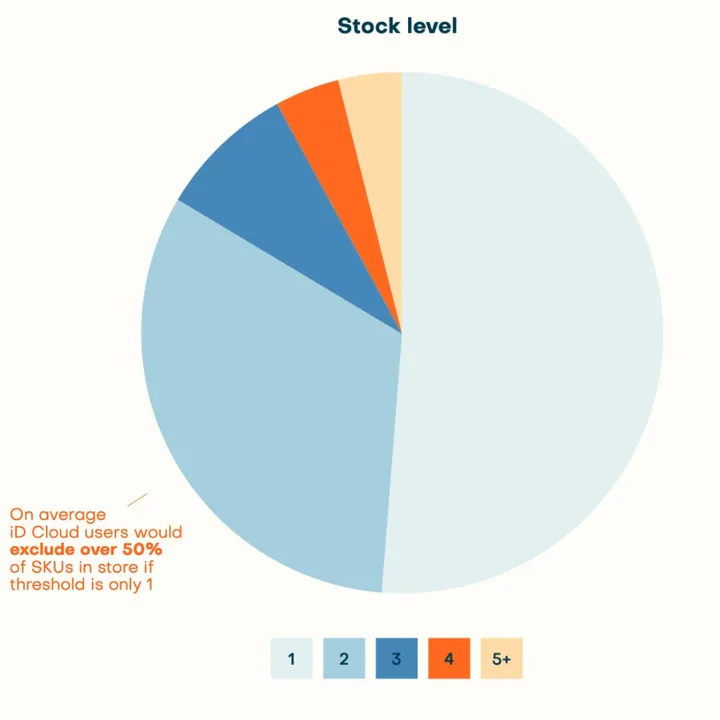
More and more retailers are implementing Order Management Systems (OMS) to leverage their store inventory and, thus, extend their online sellable product range. Typically, stores carry a wide product range that is represented in low volumes to optimize space and visual merchandising in the store. Consequently, with a low stock depth, the limiting effect of safety thresholds on the Digital Availability of store stock is high. Studies carried out by Nedap’s data analytics team found that the average store only carries one item for over fifty percent of their SKUs. Applying a safety threshold of one for the sellable stock in the OMS excludes over fifty percent of the retailer’s product-size range — a true “phygital dilemma.”
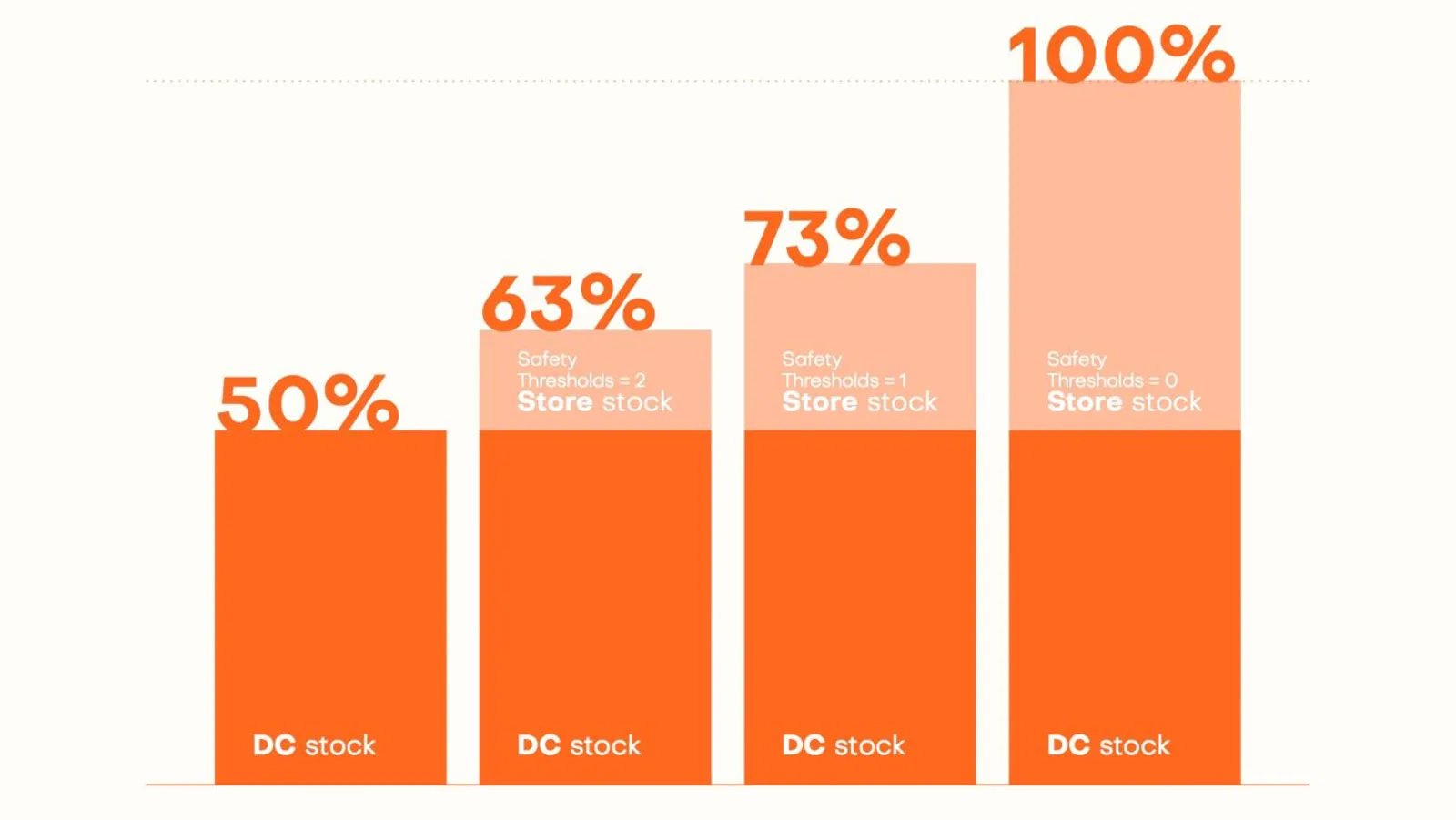
Further research, including inventory in distribution centers, yielded similar results. On average, lowering the safety threshold by one increased the digital availability by ten percentage points (e.g., from 63% to 73%). While the effect of lowering the safety threshold is clear, increasing Digital Availability ultimately depends on trusting stock files and inventory data, which is only achievable through real-time tracking of products that creates full item-level visibility.
The increase of digital merchandise availability by consolidating DC and store inventory and lowering safety thresholds.
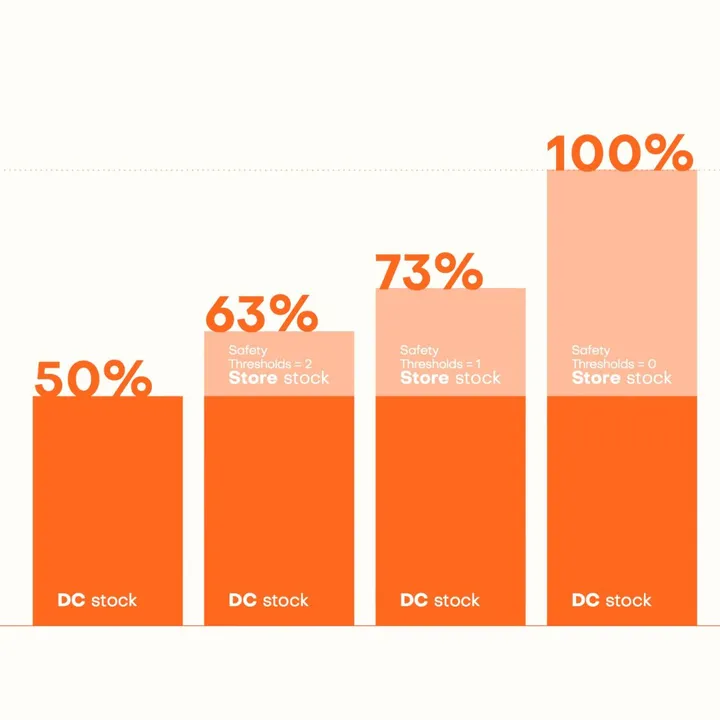
By bringing store stock online, retailers can increase their sales potential. Promoting store inventory in an online marketplace creates many additional sales opportunities, as products no longer remain locked up in stores where they might otherwise only collect dust. Instead, they can be made available for online sales. Ultimately, treating all storage locations as one unified stock pool strengthens the competitive advantage of a dense store network that is both physically close to the customer and digitally accessible for omnichannel initiatives.
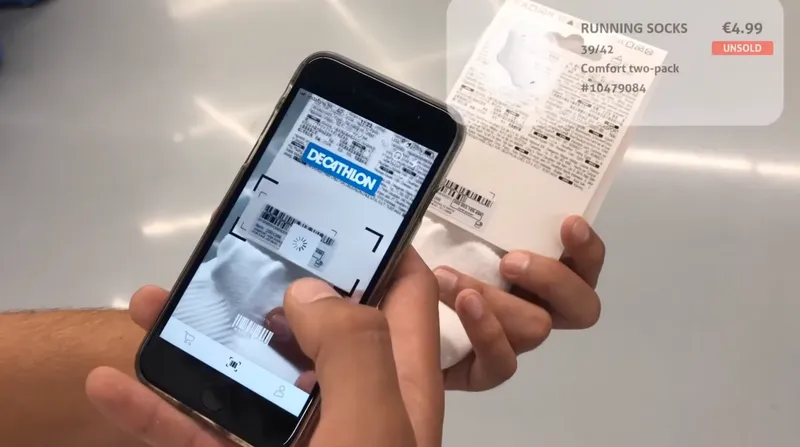
To successfully increase digital availability, it is essential to know exactly where products are at the unique item level. RFID is the perfect technology to easily and seamlessly register products and consequently assign a specific status and location. As a result, the use of this technology ensures high stock accuracy and creates end-to-end stock visibility.
When all stock-related processes in the retail supply chain are captured with RFID, a central instance that holds all read-events, the so-called EPCIS repository, will contain real-time, item-level information about the available and the sellable stock at the sublocation level.

Retailers can then realize the following benefits with RFID versus traditional backend systems:
Every industry has its own unique challenges and opportunities. In retail, Nedap creates unique solutions, geared to your industry, to help you take full advantage of social, mobile, cloud, and analytics as you transform your business.

October 2
September 30