
Tecovas: Supporting a high-touch store experience with overhead RFID
September 30

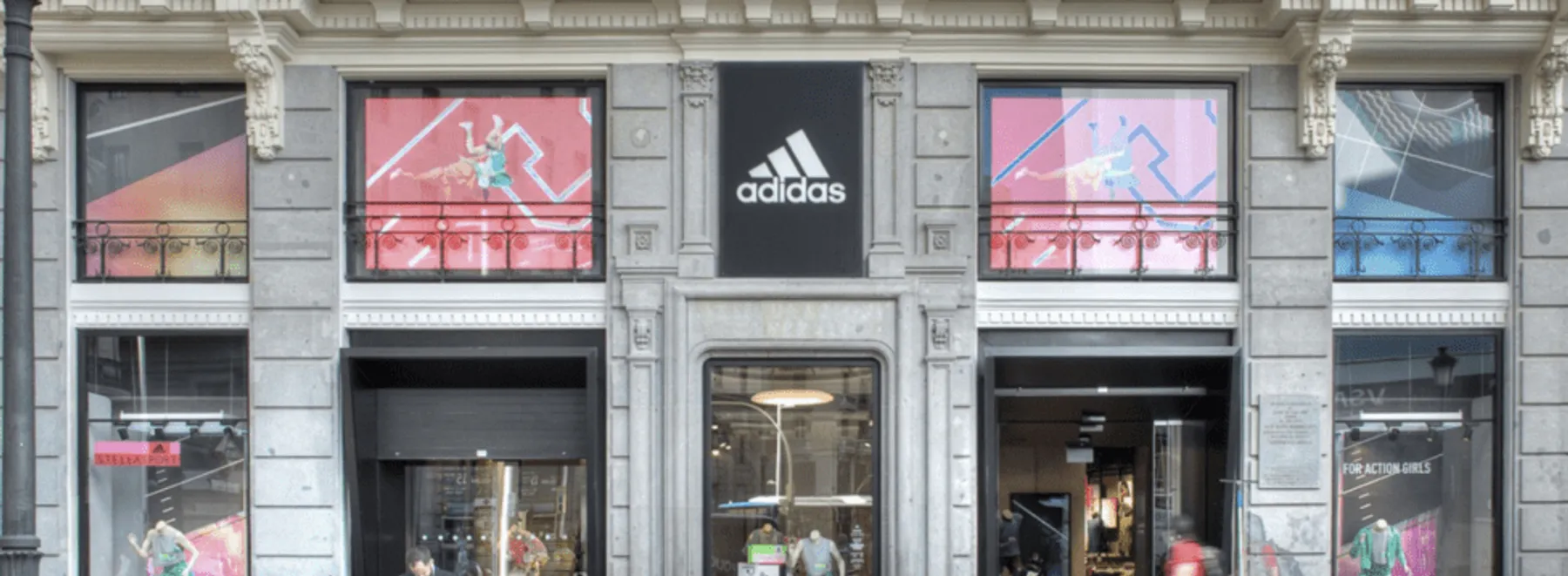
adidas selected Nedap’s iD Top to combine loss prevention with an open, welcoming store entrance. Installed overhead at the ceiling, the RFID-based EAS solution helps secure items at the entrance without placing traditional antennas on the shop floor.
In its flagship store in Madrid, adidas wanted to avoid the visual impact of typical floor-standing antennas. The goal was clear: create an open entrance that supports the customer journey, without compromising store security.
This created a familiar retail challenge. Traditional EAS systems can be effective, but they often take up visible space at the entrance. For a brand like adidas, where the entrance forms part of the first customer impression, the loss prevention solution needed to work with the store design rather than compete with it.

“adidas is always looking for open spaces to provide a good customer journey. However, there’s always a conflict between security and design. In some stores there is no space for typical antennas on the floor. By installing iD Top at the ceiling of the entrances, the conflict between security and design is solved.”
David Sancho Garcia
Store Development Manager at adidas

adidas found the answer in Nedap’s iD Top: a concealed RFID reader installed at the ceiling of the store’s two entrances.
By moving RFID-based article surveillance overhead, adidas was able to keep the entrance open and welcoming while maintaining the required level of security. The solution combines strong detection performance with a minimal impact on the store design, helping adidas protect merchandise without adding physical barriers at the entrance.
The iD Top acts as the RFID capture layer at the store edge, detecting item movement at the point where security matters most. This reflects the broader direction of modern retail loss prevention: using RFID readers and sensors to capture trusted item-level movement and turn it into usable operational insight. Nedap’s editorial framework positions RFID readers and sensors as the physical data-capture layer for trusted item-level data, while keeping the practical solution clear for buyers.
With iD Top installed overhead, adidas was able to preserve the store’s open entrance while keeping the service level it expected from its loss prevention system.
Platform
Find out more about iD Cloud and see where we can make an impact together.

September 30
October 30, 2025