

Tecovas: Supporting a high-touch store experience with overhead RFID
September 30
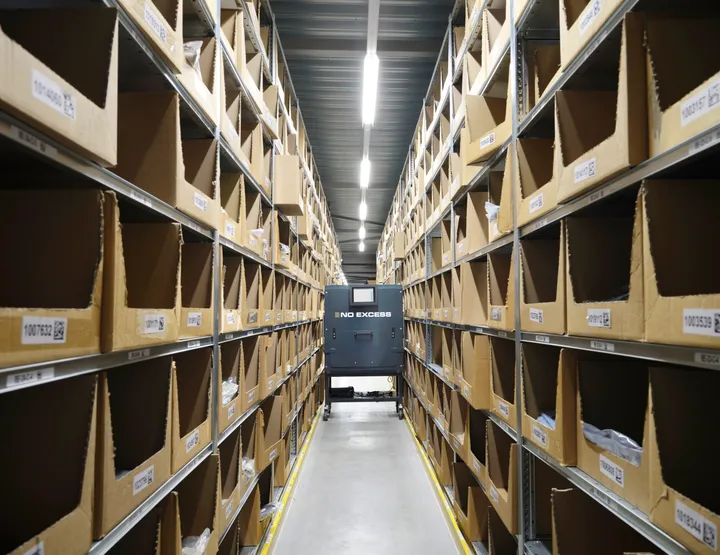
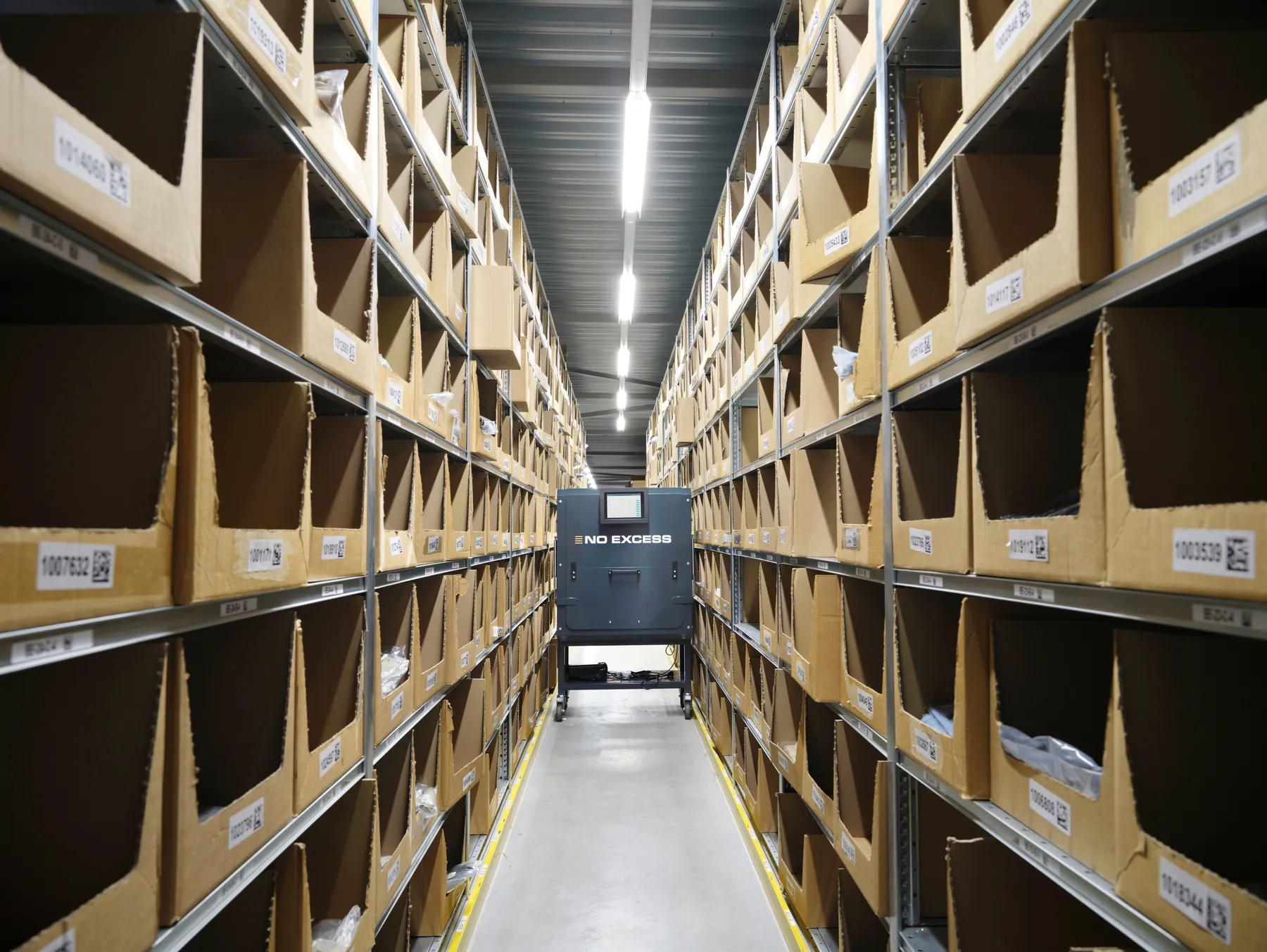
No Excess plans significant growth in the next few years but aims to remain in the same warehouse. Improving efficiency was, therefore, crucial. As with every company in the fashion industry, ensuring the right items are in the right place as soon as possible is vital, making logistics one of the organization’s backbones.
The iD Cloud Supply Chain application enables flawless and super-fast identification of inbound and outbound items. Regardless of how these items are packed, there is a 100% check, resulting in perfect shipment accuracy.
With RFID, hundreds of products per second can be read without visual contact. Logistical processes can benefit substantially from faster identification at a higher level of accuracy. There are many compelling RFID cases in logistics, each positively impacting a company’s bottom line.
The iD Cloud platform allows for adding RFID functionality to existing processes. In this context, we integrated the RFID system with the existing WMS and ERP systems from Itsperfect.

“There is a general misperception about RFID being complex. Reality is, that it actually does not require months of implementation and hours of expensive consultants. With the arrival of a platform that brings together hardware, a software application with custom workflows and a pragmatic team, we have experienced that it can be implemented very quickly and smoothly.”
Edwin Admiraal
Export & Logistics Manager at No Excess
Implementing iD Cloud Supply Chain enabled No Excess to drastically reduce outbound service stations, significantly reducing costs. The system’s efficiency gains also allow No Excess to grow without expanding warehouse capacity.
Additionally, No Excess now avoids chargebacks from marketplace partners. This is because warehouse stock is permanently checked with RFID and synchronized with the marketplace in real time, ensuring accurate product availability data and preventing order cancellations. It contributes to stock accuracy and simplifies manual stock checking.
Explore how RFID verification improves accuracy across inbound, outbound, and e-commerce workflows. Each use case shows how automated item-level validation helps prevent errors, reduce manual checks, and improve operational control.
The RFID-enabled inbound verification process identifies and quantifies supplier errors by comparing ASN and SSCC information with the actual reads from the RFID tunnel. This prevents fraud, ensures accurate inventory, and quickly identifies under-deliveries or other discrepancies at the item level.
1/4
The RFID-enabled outbound verification process validates outgoing shipments by comparing the read results from RFID tunnels with the packing lists. This process enhances shipment accuracy, ensures correct deliveries, boosts customer loyalty, and prevents chargebacks.
2/4
This process validates e-com shipments, ensuring accurate order fulfillment by automating the comparison of expected and actual contents by using RFID-enabled desktop workstations. It reduces packing errors, boosts on-time delivery rates, and significantly enhances customer satisfaction and brand loyalty.
3/4
The RFID cycle counting, using mobile RFID read chambers, ensures accurate stock levels by frequently updating warehouse inventories. This process maintains up-to-date stock information, allowing information systems to operate with precise data, significantly improving overall stock accuracy.
4/4
Inventory Engine
Find out more about our Inventory Engine modules and see where we can make impact together.


September 30
October 30, 2025