
Nedap introduces AI update that helps retailers prioritize high-impact crime incidents
May 19
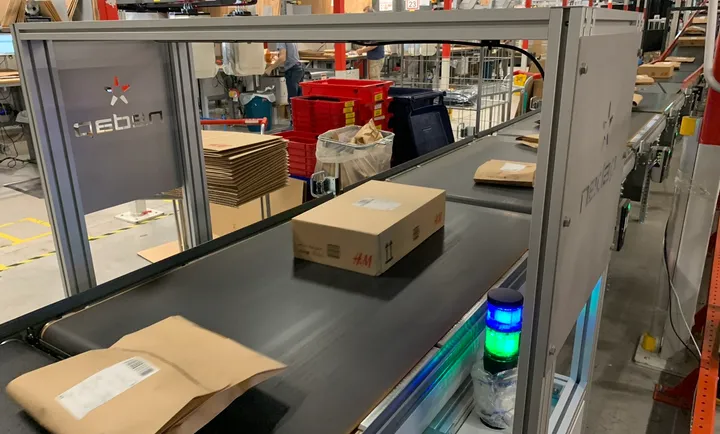
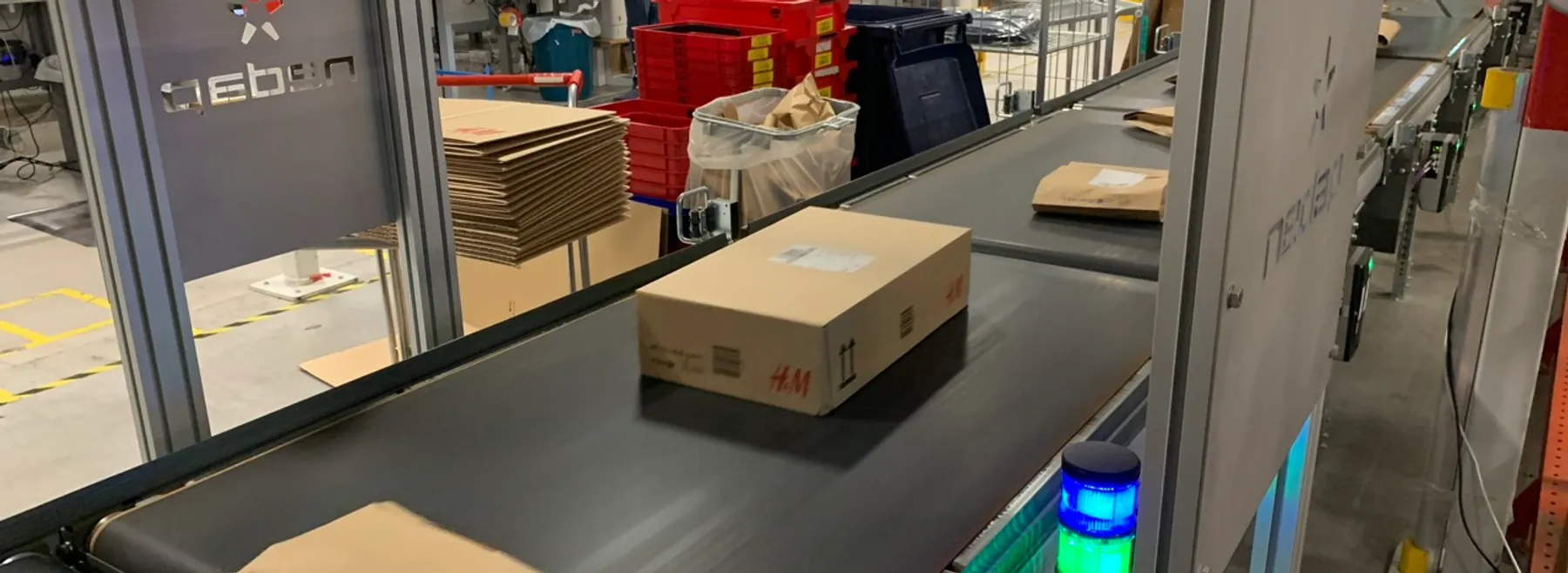
Explore the differences between the RFID Tunnel and the RFID Arch. Find out about the machine learning optimization options and read more about our platform: iD Cloud.
 Tom Vieweger
RFID technology has revolutionized handling processes in warehouses and distribution centers, enabling bulk, distance, and even sealed-box product scanning. This capability dramatically enhances efficiency, capturing product data up to 25 times faster than manual methods. Let’s explore the distinct functionalities and applications of two innovative RFID read point concepts: the RFID Tunnel and the RFID Arch.
RFID technology has revolutionized handling processes in warehouses and distribution centers, enabling bulk, distance, and even sealed-box product scanning. This capability dramatically enhances efficiency, capturing product data up to 25 times faster than manual methods. In complex supply chain environments, it is crucial to know where products come from, where they are, and into which channel they should be allocated to make them available to customers. With RFID, it is easy to track and trace the journey of products and provide insights into product provenance, identifying anomalies, and detecting losses. This makes RFID a critical component for reliability and transparency in modern supply chains.
While RAIN RFID is a perfect technology that seamlessly reads product data in bulk, over the air, and without a battery, the design of read points plays a critical role in maximizing efficiency in logistics and inventory management. An RFID read point consists of more than just the reader; it also includes essential components like antennas, cabling, and control software, all configured to meet specific logistical needs. Options range from handheld devices and desktop readers to integrated solutions such as portals, read chambers, and overhead systems. Our most important read point concepts are the RFID Tunnel and the RFID Arch.
“Box-level tracking is crucial for verifying shipments and ensuring accuracy, which in turn reduces errors and increases customer satisfaction.”
Tom Vieweger
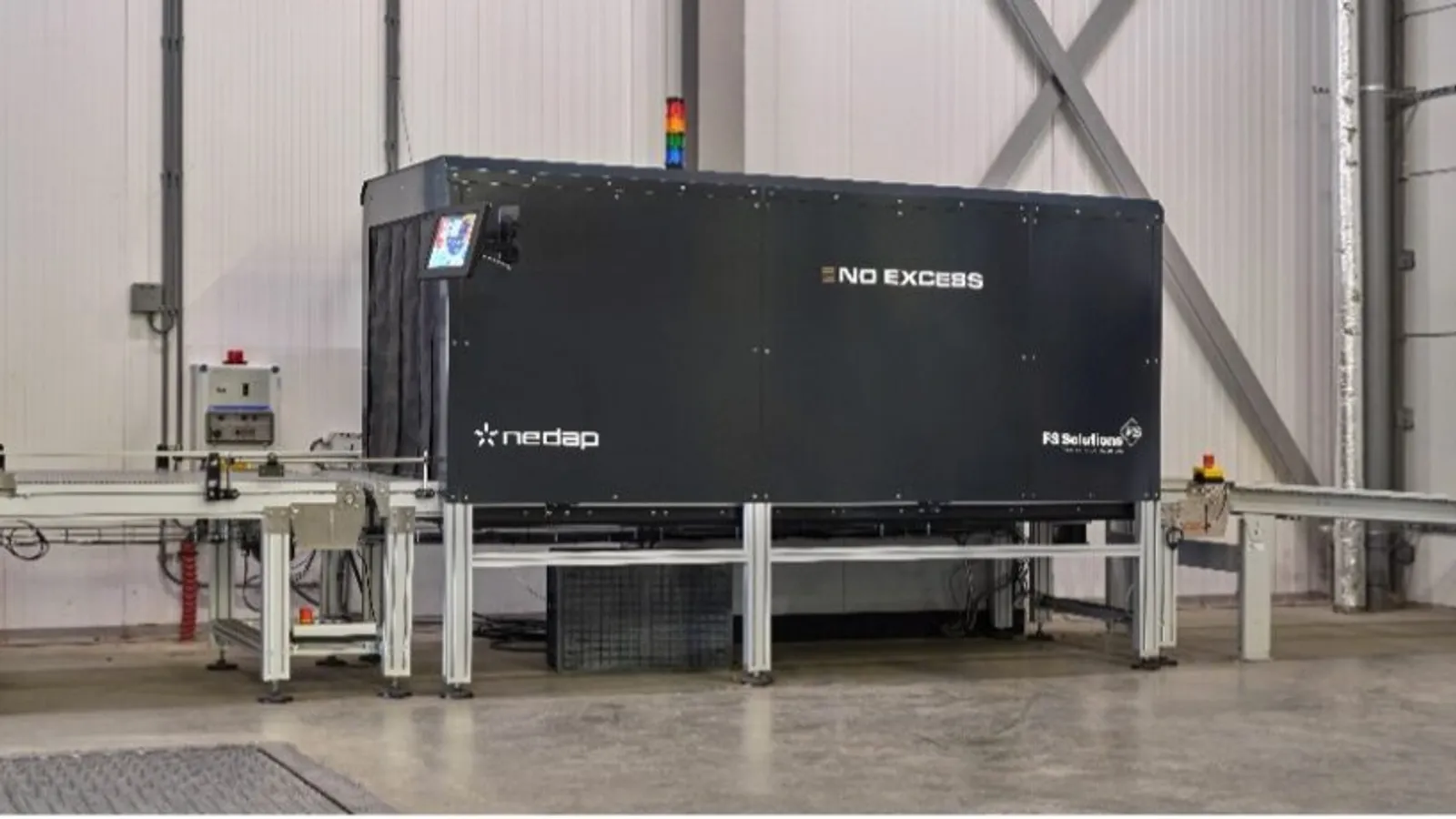
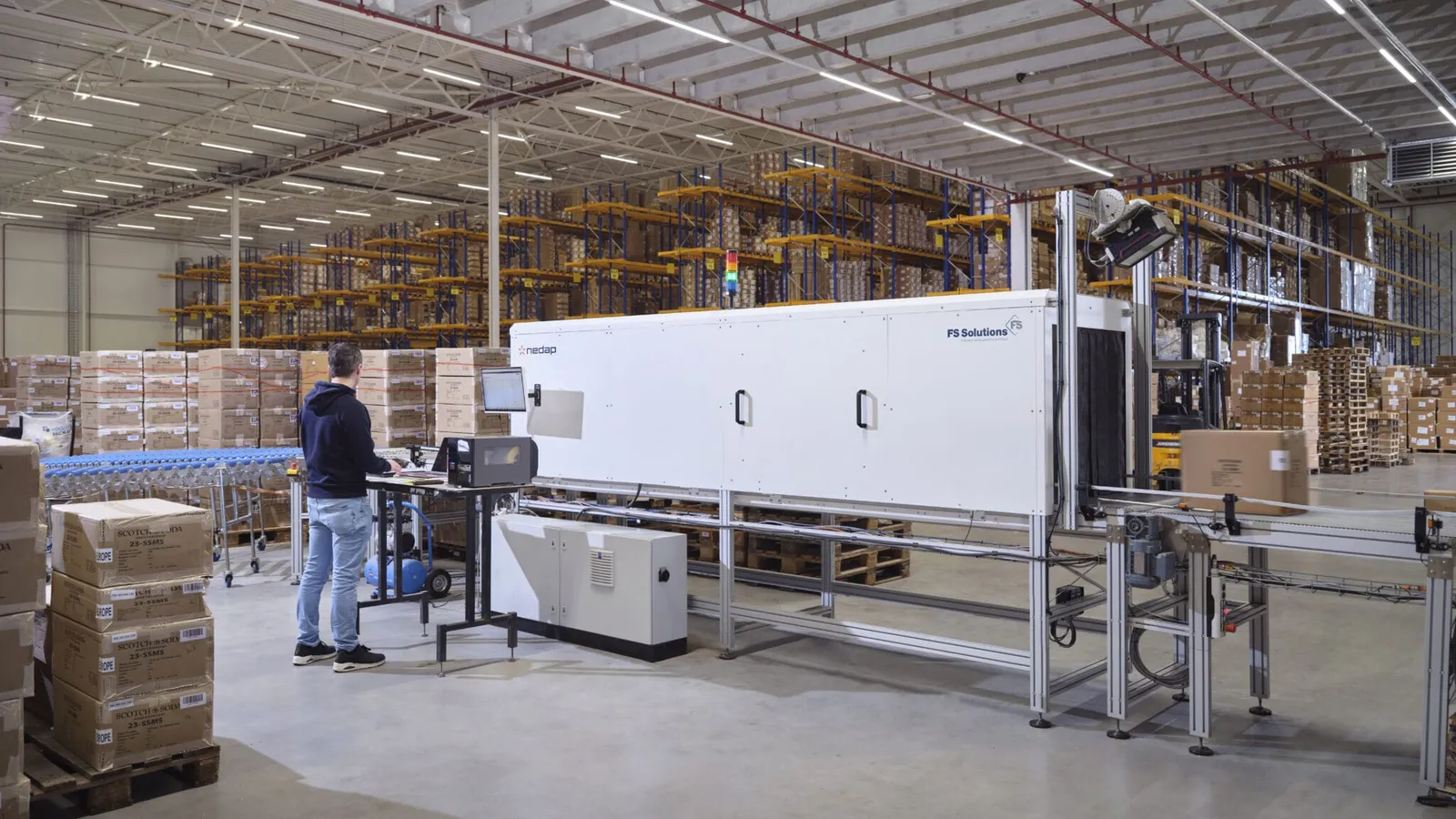
An RFID tunnel is designed for highly controlled and accurate reading environments. Typically integrated with conveyor systems, RFID tunnels create an enclosed reading area where products pass through individually or in grouped units. The tunnel structure minimizes external interference and enables the system to read RFID tags with exceptional accuracy, even when products are packed in boxes or stacked together.
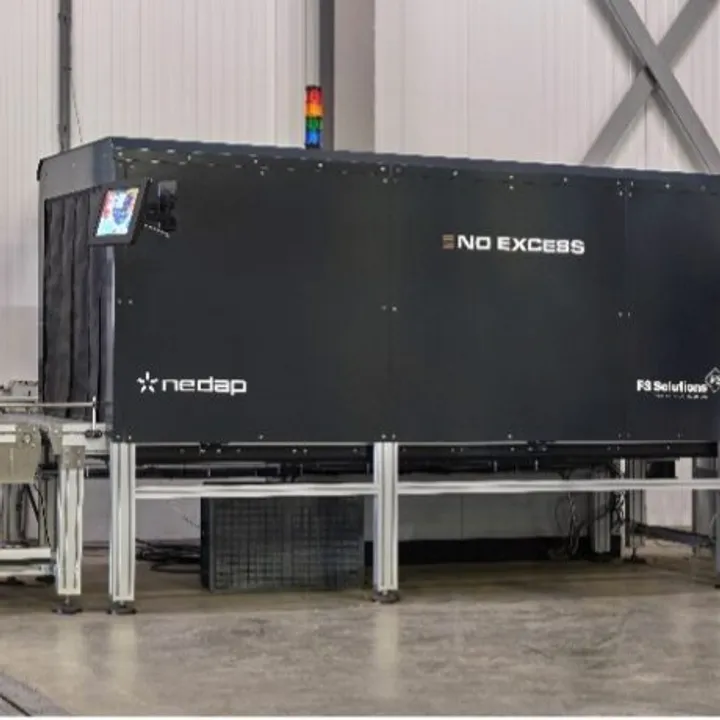
RFID tunnels are especially useful when retailers and logistics providers require item-level traceability and validation. For example, they can verify whether all items inside a shipment match the expected order contents before the shipment continues through the supply chain. This level of precision is essential for omnichannel retail operations, where inventory accuracy directly impacts customer satisfaction and operational efficiency.
Machine learning algorithms continuously analyze RFID read behavior and optimize tunnel performance in real time. Instead of relying solely on fixed configurations, intelligent systems learn from previous read cycles and dynamically adjust reading parameters to improve accuracy. These algorithms help distinguish valid reads from noise, minimize missed tags, and reduce false positives. This adaptive approach ensures consistently high performance even as product mixes and operational conditions change over time.
The integration of machine learning into RFID tunnels allows businesses to scale operations without sacrificing reliability. As throughput increases, the system can continue to deliver highly accurate item-level data, supporting automated verification processes and advanced supply chain visibility.
“RFID tunnels generally require more complex installations and a higher investment level. Conveyor spacing, shielding, and operational calibration are often necessary to achieve optimal results. Nevertheless, for operations where accuracy and traceability are top priorities, RFID tunnels provide unmatched performance.”Tom Vieweger
Despite their advantages, RFID tunnels generally require more complex installations and a higher investment level. Conveyor spacing, shielding, and operational calibration are often necessary to achieve optimal results. Throughput may also be limited by the need for controlled reading conditions. Nevertheless, for operations where accuracy and traceability are top priorities, RFID tunnels provide unmatched performance.
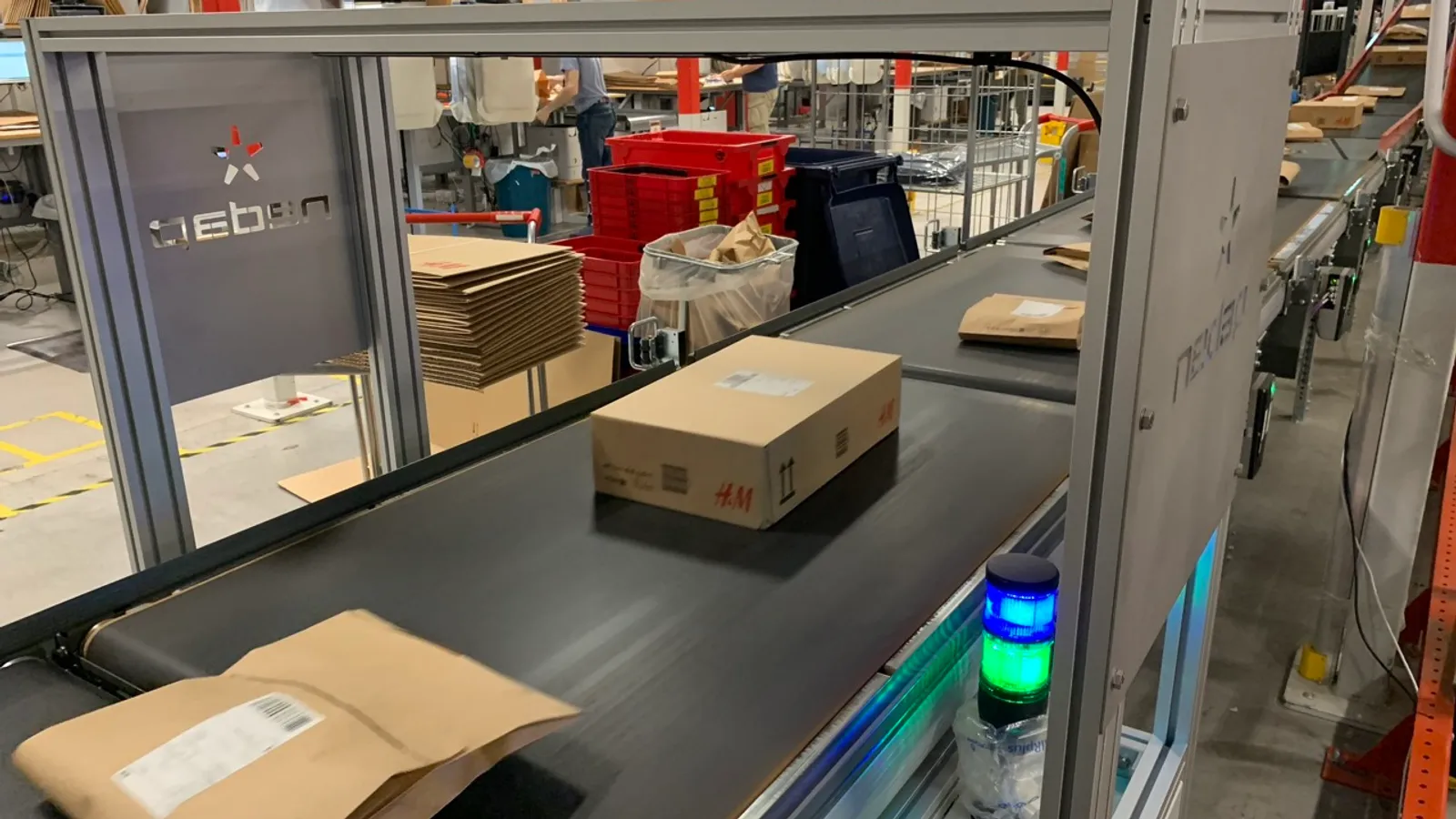
An RFID arch offers a simpler and faster-to-deploy alternative. Installed around or above conveyor systems, RFID arches read tagged products as they move through the supply chain without requiring a fully enclosed tunnel structure. RFID arches are designed to provide visibility into product flows with minimal disruption to existing operations.
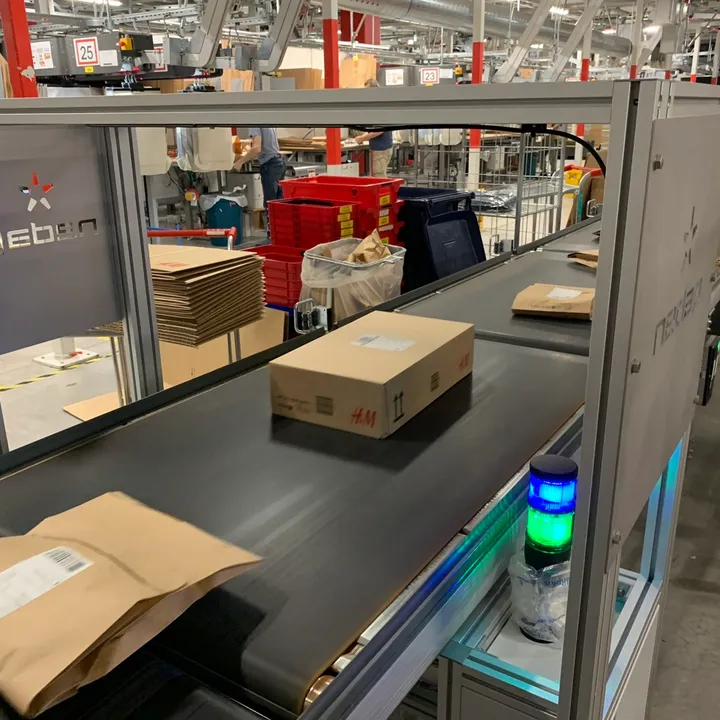
The main advantage of an RFID arch is operational simplicity. Installation is typically faster and less complex, making it easier for retailers and logistics providers to implement RFID visibility quickly. RFID arches are particularly suitable for monitoring outgoing shipments, inbound receiving processes, and high-volume product flows where broad visibility is more important than detailed item verification.
RFID arches provide continuous reading capabilities and enable organizations to track inventory movement in real time. They can improve shipment visibility, reduce manual scanning processes, and enhance supply chain transparency without the operational complexity associated with tunnel systems.
“Although RFID arches do not provide the same level of reading isolation as RFID tunnels, they remain highly effective for many logistics scenarios.”Tom Vieweger
Although RFID arches do not provide the same level of reading isolation as RFID tunnels, they remain highly effective for many logistics scenarios. The choice between an RFID tunnel and an RFID arch ultimately depends on operational priorities. Businesses that require maximum precision and item-level validation often prefer RFID tunnels, while organizations focused on rapid deployment, scalability, and process visibility may benefit more from RFID arches.
Nedap iD Cloud connects and controls smart read-points seamlessly. iD Cloud is hardware agnostic, cloud-based and integrates with various RFID devices. As a core, the iD Cloud platform includes an EPCIS repository that holds all EPC read events, wherever they have been created or whenever the status of an EPC changes (e.g., going to a new location).
TunnelML is part of the Nedap iD Cloud platform. With Nedap's TunnelML algorithm, it is possible to design and use RFID tunnels that require less hardware. For example, the algorithm can accurately read and identify the contents of boxes without mechanical metallic doors or roller shutters, which can slow down the process and increase maintenance costs. As a result, initial investments will be lower, and the total cost of ownership will be reduced because there is less hardware to maintain, which can fail.
With machine learning for RFID tunnels, it is possible to calculate for every RFID tag read by the reader how likely it is that it was included in the box that we want to read or whether it was a 'stray' read. This means an RFID tag belongs to a box before or after the one you want to read - or a box just lying around the tunnel.
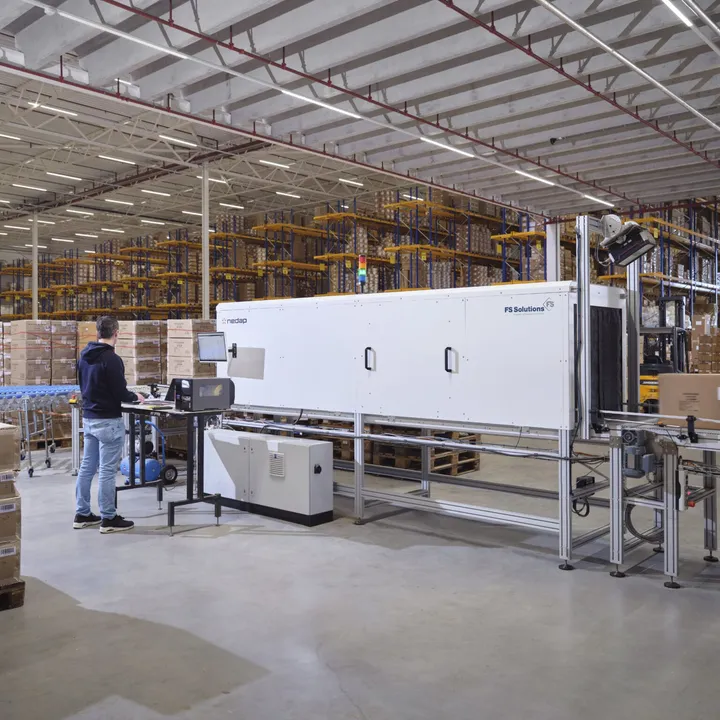
The algorithm's accuracy needs to be extremely high: if you have 50 items in a box and want to estimate the box's contents correctly, the algorithm needs to be right 50 times. So, having a 99.9% correct algorithm will still yield one in thousands of estimates to be wrong, and thus a one-in-twenty boxes false rejects. The algorithm, thus, needs to be very accurate. Therefore more than thirty parameters have been carefully selected for the algorithm when deciding on the accurate read of an RFID tag.
In addition, the algorithm was trained by reading thousands of known boxes of different vendors and brands in different reading set-ups. This has made the algorithm robust enough to run at high accuracy at high speed - in some circumstances, only with a simple curtain at the tunnel's entrance or no shielding at all.
At Nedap, we help global retailers successfully adopt and scale RFID by enabling real-time stock accuracy, improving product availability across channels, and supporting smarter operations. Find out how we empower brands to enhance their processes, wherever they are in their journey.

May 19