
A Wakeup Call for Finance Leaders: The Impact of Inventory Blind Spots on Retail Margins
October 2


Retail companies have been busy implementing an increasing number of software services in their stores to optimize and streamline processes, as well as support their store teams. This has been accompanied by a swift shift toward using third-party software platforms, instead of building most of it in-house.
It has led to an increase in mobile devices, and an explosion in the number of apps that store associates need to work with. Every app has its own UI/UX language and terminology - if you even know which app to open for which task.
At the same time, we have seen turnover rates increase in the past few years, and tenures shortening. This has created an operational challenge: how do you get store associates up to speed on the most common processes?
When studying how store teams work in stores, we have derived the following insights:
Inefficient UX
Third party platforms
Trained users
These insights could help us with a solution: the dual approach.
In this way, you can have the best of both worlds: with minimal in-house development, you create a seamless environment for store associates. Another advantage is that you can heavily customize the most customer-centric workflows.
When working with RFID, there are many tasks that happen in the store. We can classify them along the lines defined above.
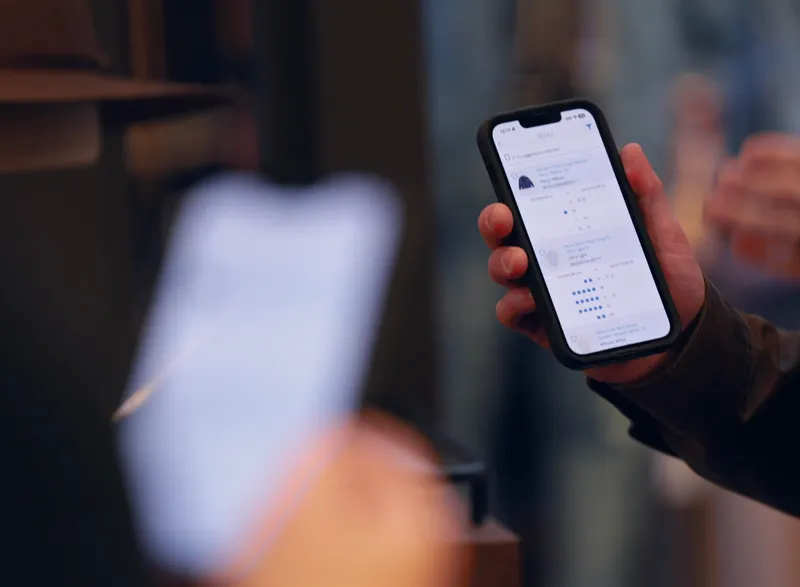
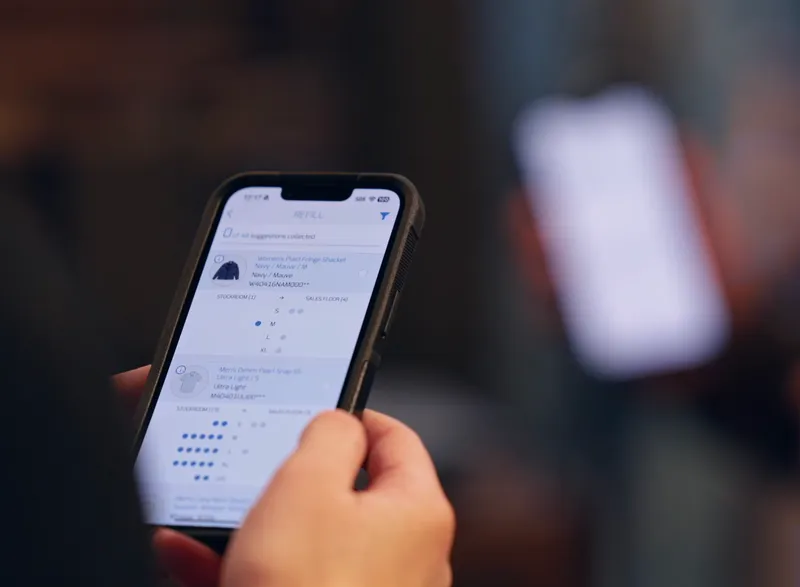
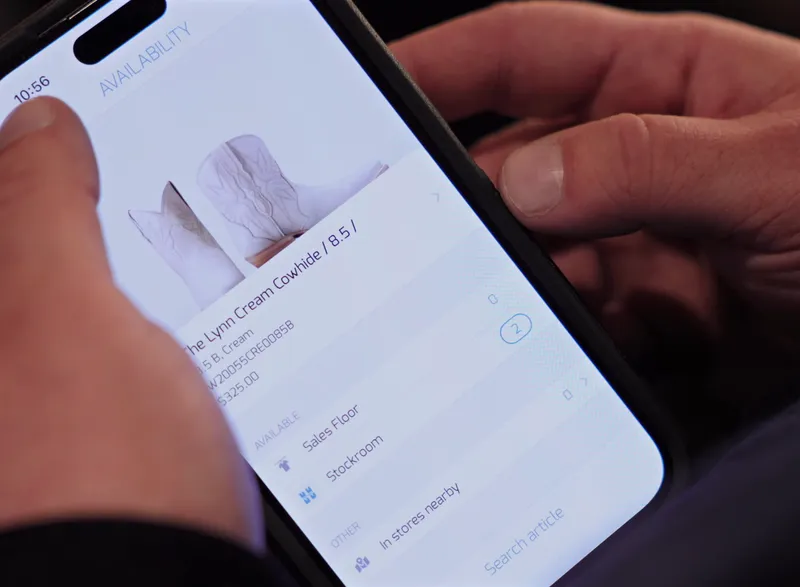
What we would integrate into the in-house companion app, are functionalities like product availability check, refill and status assignment. This would leave functionalities like Count and Shipments in the platform-native app.
This also makes sense from a complexity point of view: it is very hard to replicate Count or Shipment functionality in your own companion app. Not only do you need to deal with external RFID hardware, but it requires tight synchronization with the backend and other apps to facilitate things like Team Count and/or Virtual Shielding.
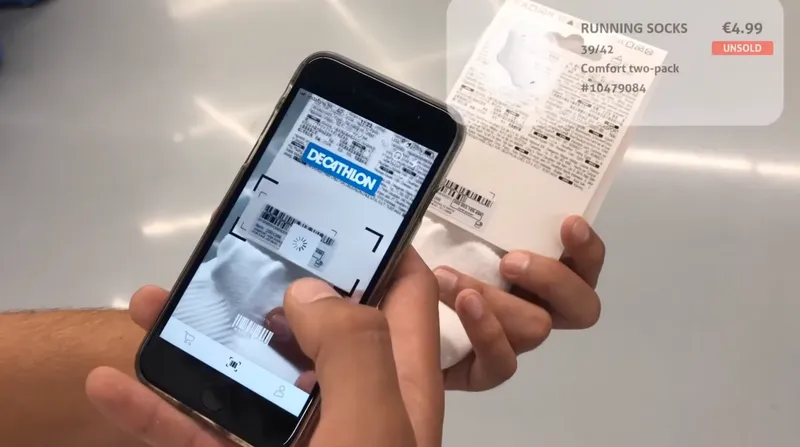
It is much easier to build a product availability check: this mostly involves a QR code scan and a backend API check.
API-first by design, iD Cloud exposes the very services that power the iD Cloud app. Use these performant, well-documented APIs to build your own application on the same real-time data available in iD Cloud. Our teams can support you throughout your journey toward a single pane of glass!
At Nedap, we help global retailers successfully adopt and scale RFID by enabling real-time stock accuracy, improving product availability across channels, and supporting smarter operations — empowering brands to enhance their processes, wherever they are in their journey.

October 2
September 30