
A Wakeup Call for Finance Leaders: The Impact of Inventory Blind Spots on Retail Margins
October 2
Discover how iD Cloud is designed around retail teams—turning complex RFID capabilities into simple, practical workflows.
This video cannot be played because you have not yet consented to marketing cookies.
UX design at Nedap starts with making applications usable and accessible for store employees of every background. The ambition is to make iD Cloud intuitive enough for colleagues to complete their work with minimal training.
RFID can be powerful and complex, but the design process starts with the problems people experience in store. The goal is not to showcase technology; it is to remove friction from everyday retail work.
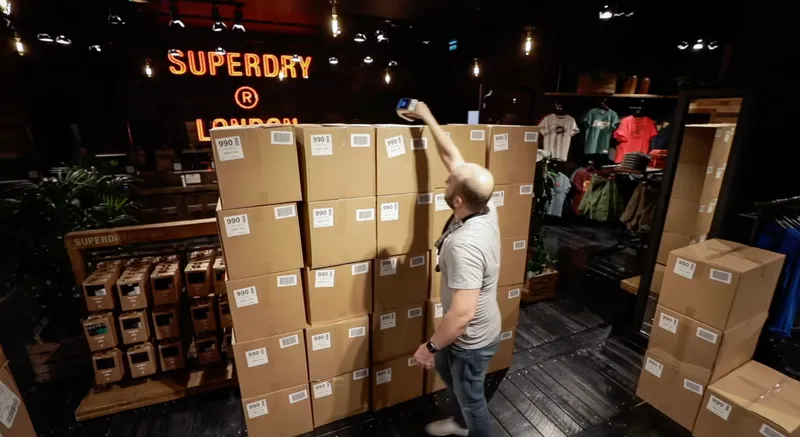
iD Cloud is evolving from a primarily counting-focused application into a platform that supports more RFID processes. Item-level and serialised information enable richer availability, refill, counting, monitoring, and omnichannel workflows.
The challenge is to improve existing features while introducing new capabilities, such as click-and-collect statuses and better product-location insight, without making the app harder to use.
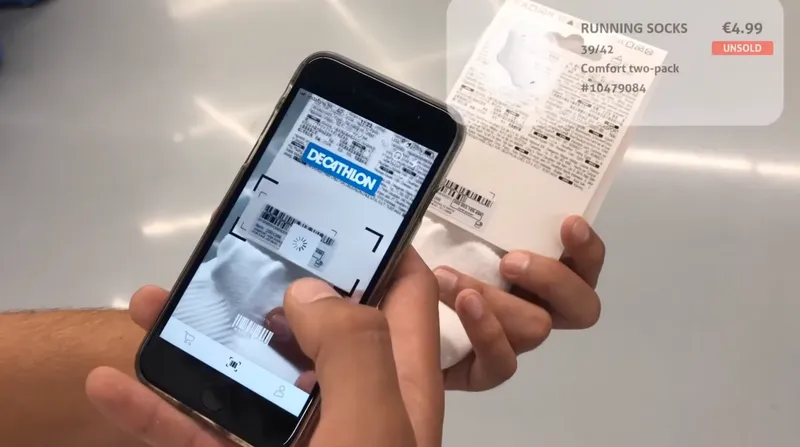
A new feature starts with the underlying problem, not simply the requested solution. For RFID search, the team explored why products were difficult to find and how availability information, reader feedback, and visual recognition work together.
Designers observe real store use, speak with customers, create prototypes, and test realistic tasks. If a solution does not work in practice, it returns to the drawing board before developers build it.
The guiding principles are people first, keeping complexity out, designing for unhappy flows, and making the experience feel good. Clear instructions are more useful than technical error codes, while intelligent defaults should select the appropriate scanning method without unnecessary choices.
Retail stores are not laboratories: customers interrupt tasks and connectivity can be unreliable. User research keeps the team grounded; for example, store colleagues preferred a visual refill view over precise numbers because they need to make practical decisions at a glance.
At Nedap, we help global retailers successfully adopt and scale RFID by enabling real-time stock accuracy, improving product availability across channels, and supporting smarter operations — empowering brands to enhance their processes, wherever they are in their journey.

October 2
September 30